A cheap wedding can still feel warm, personal, and complete. The difference is intention. You are not trying to copy a large wedding for less money. You are choosing the parts that matter, then letting the rest get simpler.
The basic rule is this: pick two or three things to protect. Maybe that is food, photos, and time with family. Maybe it is the dress, the ceremony, and a good dinner. Spend there first. Then simplify or skip everything else.
Start With The Cheapest Wedding That Still Feels Like Yours
Start with the wedding you would still feel good about if no one posted it online. That version is usually smaller, calmer, and easier to pay for.
Define your non-negotiables
Write down the three things you would regret losing. Keep the list short. A long list is not a priority list.
Common non-negotiables include a legal ceremony, immediate family, a meal together, good photos, music, or a private moment after the vows. Your list can be different. It should match your life, not a checklist from someone else's wedding.
Once you pick the list, protect it. If photography matters, do not spend the photo budget on favors. If food matters, do not stretch the guest list until the meal becomes weak. A cheap wedding works when the tradeoffs are clear.
Pick a hard ceiling before choosing vendors
Set the total amount you can spend before you ask for quotes. Include tax, tips, delivery, clothing, rings, beauty, travel, marriage license fees, and small supplies. These small costs add up.
Your ceiling should be an amount you can live with after the wedding. A wedding is one day. The bills stay longer.
Separate legal requirements from wedding traditions
In most places, the only required costs are the marriage license and the required ceremony or officiant process. Some places also require witnesses, waiting periods, or specific filing steps. Rules and fees vary by state and county.
Before you plan anything else, check your state or county clerk's marriage license page. Use that page as the source for current license fees, waiting periods, witness rules, and filing requirements. Do not rely on a wedding blog for legal steps.
Everything else is a choice. A first dance is a choice. Printed programs are a choice. A wedding party is a choice. That is good news. It means you can build a real celebration without carrying every tradition.
Choose A Budget Range Before You Choose A Style
Budget first. Style second. A courthouse wedding, a micro wedding, and a modest guest wedding all need different choices.
The Knot 2026 Real Weddings Study reported an average U.S. wedding cost of $34,200, based on 10,474 U.S. couples married in 2025. The Wedding Report's 2025 United States Wedding Market Statistics reported a 2025 U.S. median wedding spend of $18,231 and an average cost of $32,899.
Those numbers are useful context. They are not targets. Average costs can mislead budget couples because expensive weddings pull the average upward. Median spend can feel more realistic, but it still may be far above what you want to pay.
Under $500 courthouse or civil ceremony
This range usually means a marriage license, a courthouse wedding or civil ceremony, simple clothes you already own or can reuse, and a small meal after. Costs depend on your county, local filing fees, guest count, and restaurant choice.
What you include: legal ceremony, required documents, a few guests, and a meal or dessert.
What you skip: venue rental, full reception, formal florals, printed invitations, favors, and long photography coverage.
$1,000-$5,000 micro wedding
This can work for a small ceremony with immediate family and close friends. You might use a backyard, park, restaurant room, community space, or private home.
What you include: ceremony, simple food, short photography coverage, a small cake or dessert, and a shared photo plan.
What you skip: large rentals, plated multi-course meals, full bar, elaborate decor, and a large wedding party.
$5,000-$10,000 modest guest wedding
This range can support a larger guest list, but only with discipline. Guest count matters more than theme. A $10,000 wedding for 30 people feels different from a $10,000 wedding for 100 people.
What you include: a practical venue, one good meal, limited drinks, basic decor, and a clear photo plan.
What you skip: peak Saturday pricing, premium rentals, luxury florals, custom stationery suites, and extras guests may not notice.
Use these ranges as planning examples, not promises. Costs depend on location, season, venue rules, vendor minimums, and guest count.
Cut The Guest List First
The guest list is the biggest budget lever. It affects food, drinks, rentals, stationery, favors, venue size, staffing, service fees, and cleanup.
Use cost per guest thinking
Think in cost per guest, not total guest count. Each added person may need a chair, place setting, meal, drink, invitation, slice of cake, and share of service fees. Ten extra guests can change the venue or catering plan.
Start with must-have witnesses and immediate family. Then add close friends only if the budget still works. Stop when the numbers stop working. That line can feel hard, but it protects the wedding you can actually afford.
Set clear plus-one and children rules
Rules reduce stress. You might invite only named partners. You might invite children only from immediate family. You might keep the ceremony adults-only if the space is small.
Be kind and direct. Do not make exceptions quietly. Exceptions become confusion.
Consider a micro wedding
A micro wedding is not a failed big wedding. It is a smaller format with more control. Fewer guests can mean better food, better photos, less debt, or more time with each person.
It can also be more private. Fewer guests means fewer people taking, posting, and sharing wedding guest photos without consent. If privacy matters to you, guest count is part of the photo plan.
Pick A Low-Cost Venue And Date
A low-cost venue is only cheap if the full setup is cheap. Compare the total cost, not just the rental fee.
Fidelity's July 21, 2026 Viewpoints article recommends building a wedding budget first, prioritizing what matters, considering less popular dates, looking at nontraditional venues, trimming the guest list, and using digital invitation tools to reduce paper costs.
Avoid peak Saturdays
Peak Saturdays are often the most expensive dates. Off-peak wedding dates, weekday weddings, brunch weddings, and daytime receptions can reduce venue and catering costs. They can also make simpler food feel natural.
A Friday morning civil ceremony with lunch can be lovely. A Sunday brunch can feel relaxed. A winter weekday can open up venues that are booked or expensive in peak season.
Look at public, family, and community spaces
Consider city halls, parks, libraries, restaurants, community halls, family homes, private dining rooms, and religious or cultural spaces. Some are simple. Some are beautiful. Some are affordable only if they already include what you need.
Check permit rules before you fall in love with a public space. A park ceremony may need a permit, insurance, or noise restrictions. A family backyard may need bathrooms, lighting, parking, and weather backup.
Check what the venue includes
A blank-space venue can become expensive fast. You may need tables, chairs, linens, bathrooms, trash removal, lighting, insurance, a generator, security, parking staff, or cleanup crews.
Ask for one complete number. Include rental time, setup time, cleaning fees, required vendors, insurance, deposits, and overtime. The cheapest rental fee is not always the cheapest venue.
Simplify Food, Drinks, And Decor
Guests remember whether they were fed, comfortable, and able to enjoy the ceremony. They rarely remember every centerpiece.
Serve one good meal instead of many options
Choose one format that matches the event. A buffet can work well for casual receptions. Family-style service can feel warm. Brunch can reduce alcohol and catering costs. A restaurant buyout can simplify staffing and rentals. Dessert-only or cake-and-punch can work after a short daytime ceremony if guests know what to expect.
Set expectations clearly. Do not host a dinner-time event and serve only snacks unless the invitation says so.
Use limited bar choices
Open bars can raise costs quickly. So can plated multi-course meals, rentals, and extra staffing. A limited bar can still feel generous.
Offer beer, wine, and one simple signature drink. Or host a champagne toast only. Or skip alcohol if that fits your people and venue.
Confirm alcohol rules before buying anything. Some venues require licensed bartenders. Some ban outside alcohol. Some require event insurance.
Reuse flowers and decor
Choose decor that does double duty. Move ceremony flowers to the reception. Use candles where allowed. Borrow signage. Use seasonal greenery. Let the venue do more of the visual work.
Check venue fire rules, outside catering policies, alcohol rules, cleanup requirements, and setup limits before buying supplies. Cheap decor is not cheap if it cannot be used.
Save On Photos Without Losing The Memories
Do not skip photography unless you are comfortable with that tradeoff. A better low-cost plan is shorter professional coverage plus organized guest photos.
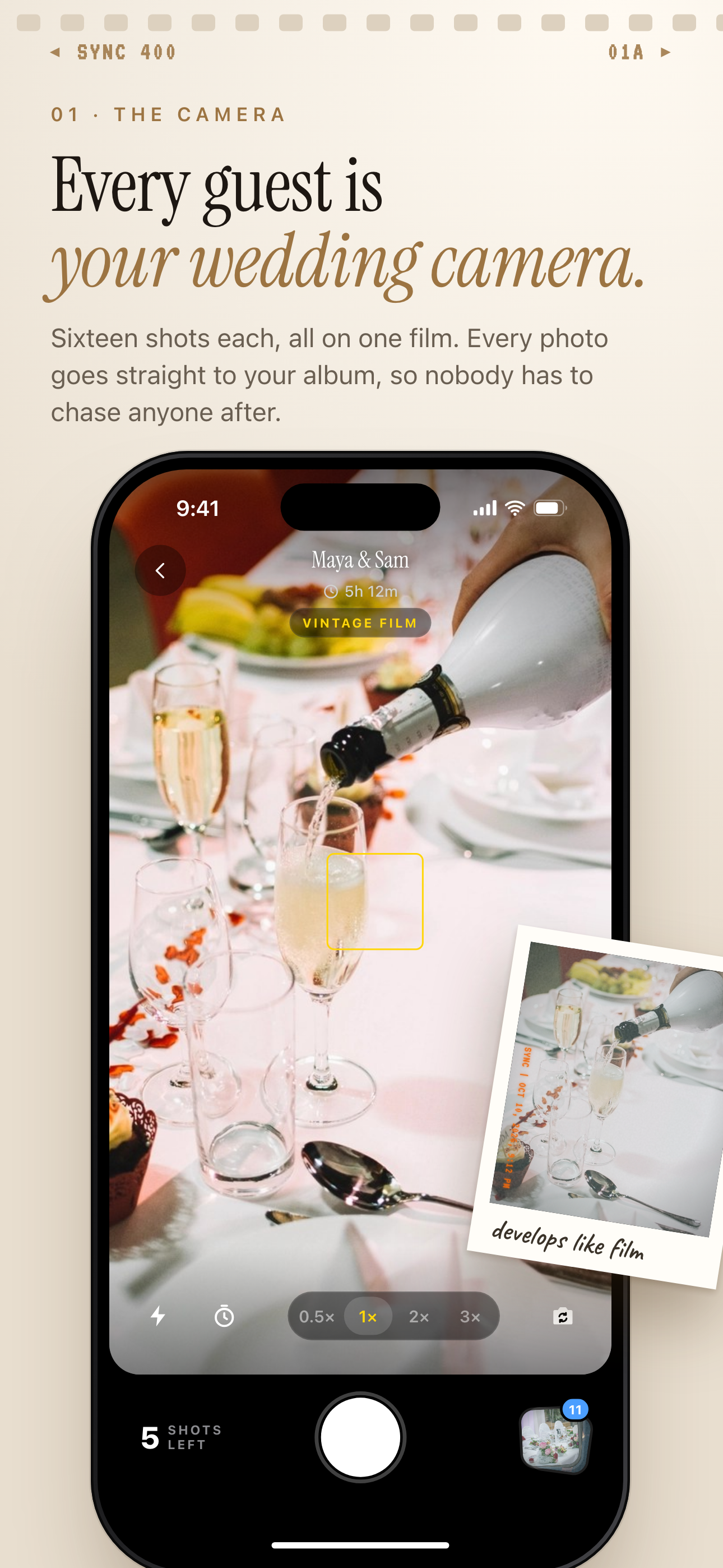 Every guest shoots straight into the shared wedding album from their own phone.
Hire a photographer for the key hours
Ask about shorter coverage. You may only need the ceremony, family portraits, couple portraits, and the first hour of the reception. This protects the moments that are hardest to recreate.
Be honest with the photographer. Share the schedule. Ask what they can capture well in the time you can afford. A clear shot list helps more than a vague hope.
Collect guest photos with a QR code
Guest photos can fill gaps. They catch getting-ready moments, table photos, cocktail hour, kids dancing, friends laughing, and late-night candids a photographer may miss.
A simple first-party workflow looks like this: print one QR code, place it near the entrance or bar, and invite guests to scan it. They join the event, upload photos from their phones, and the host reviews the gallery after the wedding.
SYNC supports event QR joining and event galleries through the mobile app. Couples can use QR code photo sharing with SYNC to collect wedding guest photos without adding a complicated manual upload process.
Keep photos private until you are ready
Privacy matters at weddings. Choose a shared gallery that lets hosts control access and timing before guests see or download photos.
That gives you room to remove duplicates, avoid awkward images, and decide what should stay private. A SYNC wedding photo gallery can support a small courthouse dinner or a larger reception.
Use Digital Tools Where Paper And Manual Work Add Cost
Digital tools are useful when they remove printing, mailing, sorting, or chasing people after the wedding. Keep them simple.
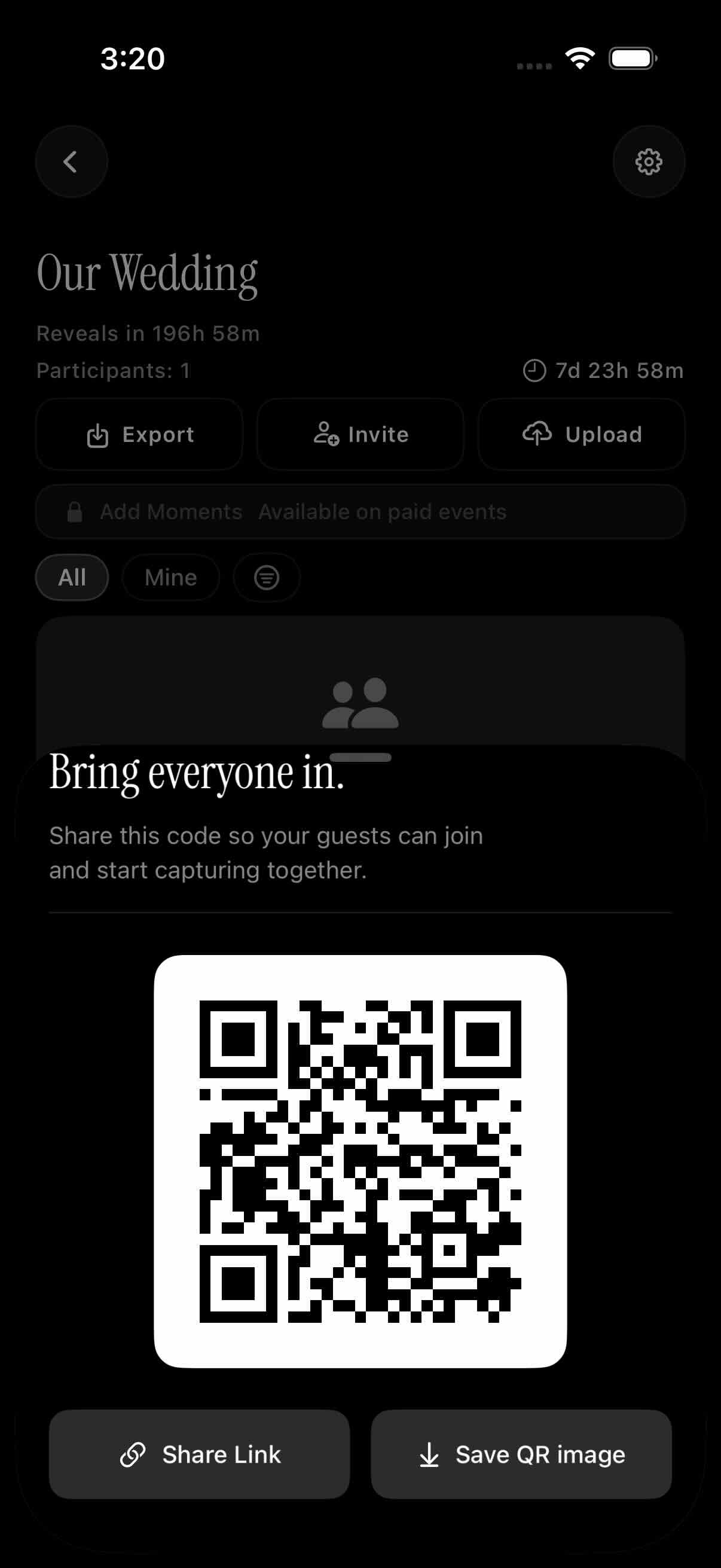 One QR code can replace scattered text threads and make photo collection easier for guests.
Send simple digital details
Use digital save-the-dates, RSVP forms, wedding website details, and shared photo instructions if they fit your guest list. Fidelity notes that couples can reduce paper costs by using online RSVP instructions instead of multiple printed stationery pieces.
You can still print a few items for older relatives or keepsakes. The point is to avoid paying for a full paper suite if it does not matter to you.
Use QR codes at the wedding
Put one QR code at the entrance, bar, gift table, or on a small table card. The message can be brief: scan to add your photos.
This works best when the tool is ready before guests arrive. Test the code. Make sure the event name is clear. Ask one trusted person to remind guests during the reception.
For couples who want this flow in an app, the SYNC mobile app and SYNC app download CTA are better destinations than a web signup page.
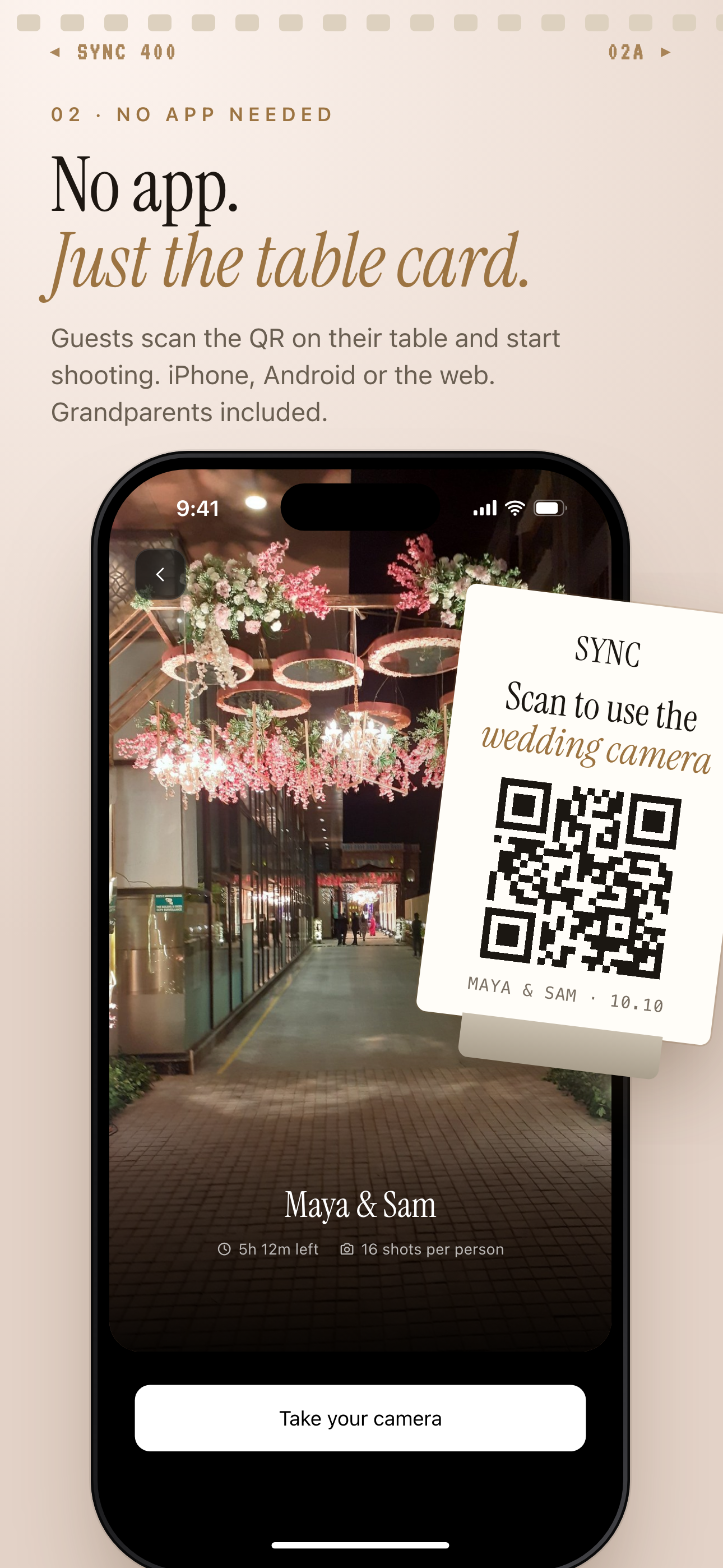
A small table card with the event QR code is all guests need to start adding photos.
Keep the gallery organized after the event
After the wedding, review the gallery while the day is still fresh. Save favorites. Remove duplicates. Keep private photos private.
A SYNC event gallery can help keep guest uploads in one place instead of spread across texts, group chats, and social posts.
Know Where Not To Cut Corners
Some savings create risk. Avoid cuts that could make the wedding invalid, unsafe, inaccessible, or stressful.
Legal paperwork
Do not risk the marriage license, officiant legality, required witnesses, permits, or insurance where applicable. Check your county clerk or state marriage office before booking the ceremony.
Bring the right IDs. Know the waiting period. Know who files the license. Know when it must be returned.
Food safety and accessibility
Make sure guests can sit, eat, use restrooms, park, and get out of heat, cold, or rain. Think about shade, heaters, transportation, dietary needs, mobility access, and bathroom access.
Food safety matters too. If you self-cater, keep hot food hot and cold food cold. If that sounds stressful, simplify the menu or use a restaurant.
Vendor contracts
Use written agreements even with budget vendors. Include time, location, deliverables, cancellation terms, payment schedule, overtime fees, and what happens if someone is sick or delayed.
Do not take on DIY work that will make you work during the ceremony day. Also avoid plans that shift unpaid labor onto guests. A friend can help with one small task. They should not become the venue manager.
Sample Cheap Wedding Plans
These plans are illustrative. Verify local costs before booking. Marriage license fees, venue rules, food prices, and permit requirements vary by location.
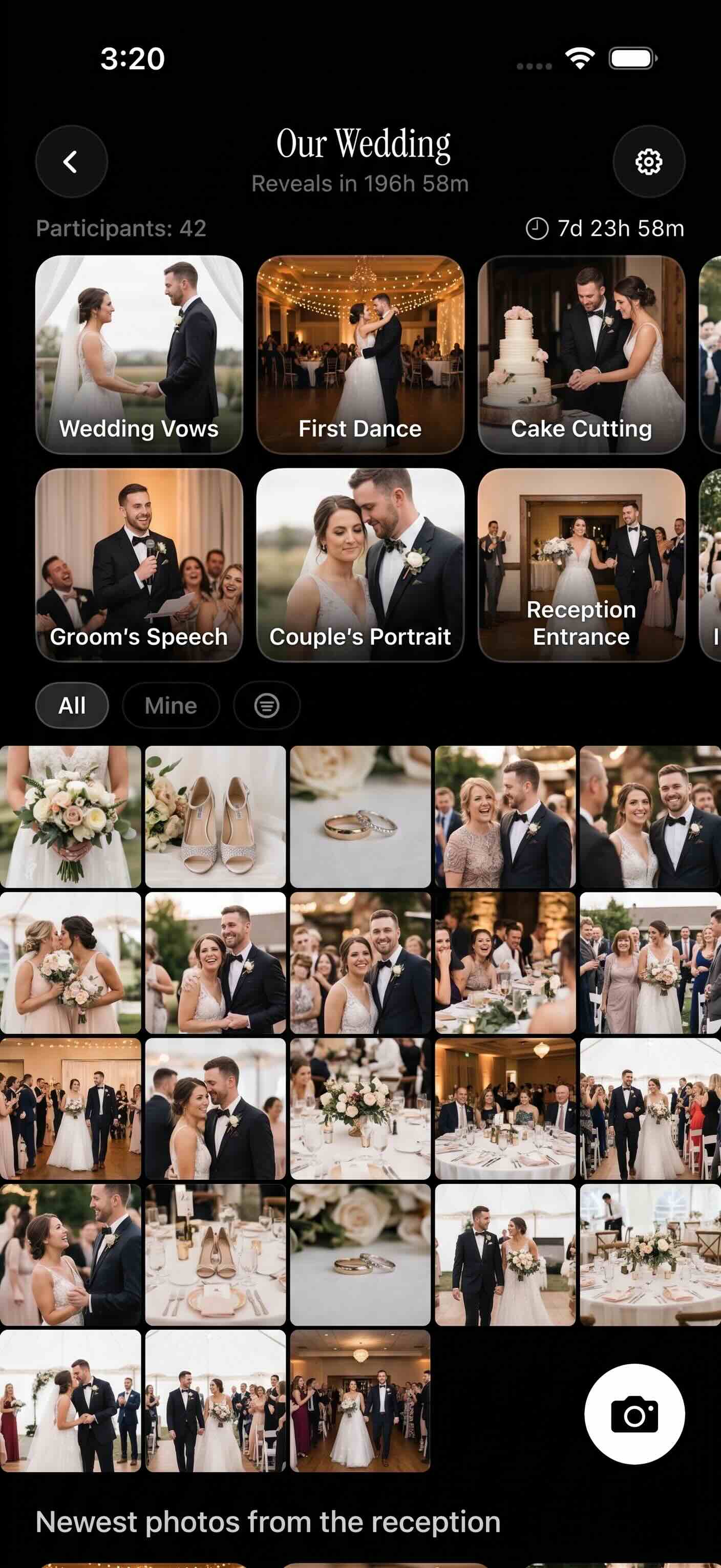 A shared event gallery helps preserve the day without adding a complex photo workflow.
Courthouse plus dinner
Included: marriage license, courthouse wedding or civil ceremony, simple outfits, short portrait session, and dinner for immediate family.
Skipped: formal venue, reception DJ, wedding party, florals, favors, printed programs, and full-day photo coverage.
Rough line items: license and ceremony fees, dinner, small cake or dessert, short photography coverage, parking, and tips. Verify the license fee and ceremony process with the county clerk.
Backyard micro wedding
Included: ceremony at home, 15 to 30 guests, rented chairs if needed, buffet or family-style meal, simple flowers, short photographer coverage, and QR code photo sharing.
Skipped: premium rentals, full bar, large dance floor, custom stationery, and complex decor.
Rough line items: food, drinks, rentals, flowers, marriage license, officiant, cleanup supplies, bathroom plan, and photo plan. Check local rules for noise, parking, tents, alcohol, and insurance.
Community hall reception
Included: civil ceremony, community hall rental, 40 to 75 guests, buffet meal, limited bar, playlist, basic decor, and a shared photo gallery.
Skipped: peak Saturday date, plated dinner, luxury florals, favors, and multiple stationery pieces.
Rough line items: hall rental, insurance if required, food, drinks, staffing, tables, linens, cleanup, photographer for key hours, and marriage license.
Before you book, run one final checklist: budget ceiling, guest count, total venue cost, food plan, photo plan, legal requirements, contracts, accessibility, and cleanup.
A cheap wedding should still feel cared for. Spend where it changes the day. Simplify where it does not. SYNC can help collect guest photos privately from a small or large wedding without adding a complicated workflow.